Why Your Room Feels Flat (Even Though You’ve Decorated It Beautifully)
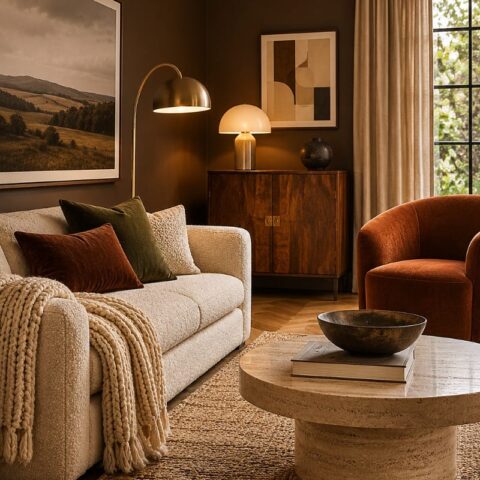
You’ve chosen the furniture carefully. The colours work together, the accessories complement the scheme and nothing looks particularly out of place.
And yet, something isn’t quite right.
The room looks attractive enough, but it doesn’t have the atmosphere you imagined. It feels a little too coordinated, perhaps slightly lifeless, or simply lacking the character you see in beautifully considered interiors.
It’s an especially frustrating decorating problem because there’s no obvious mistake to correct.
Often, the issue isn’t what you’ve chosen. It’s the relationship between the different elements in the room.
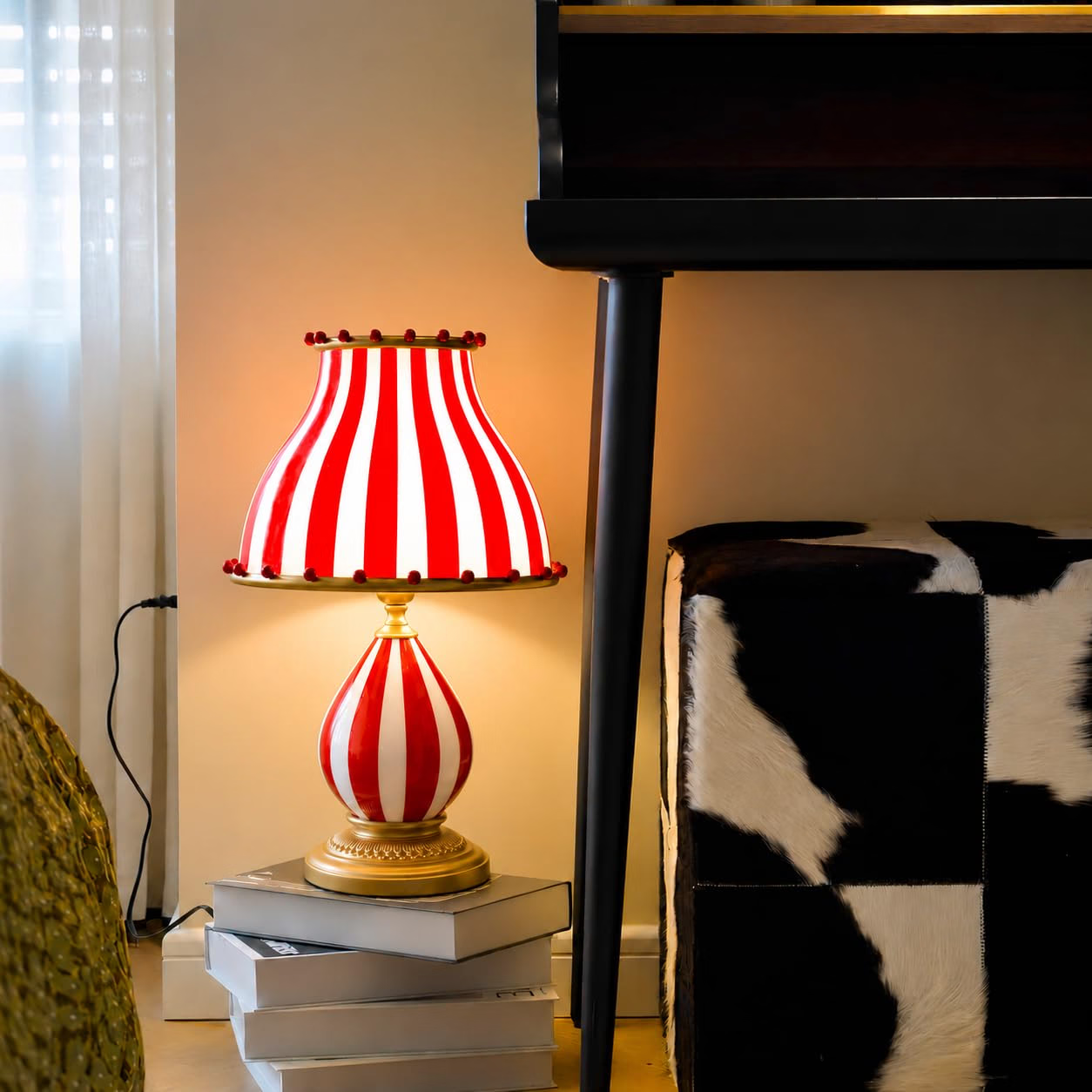
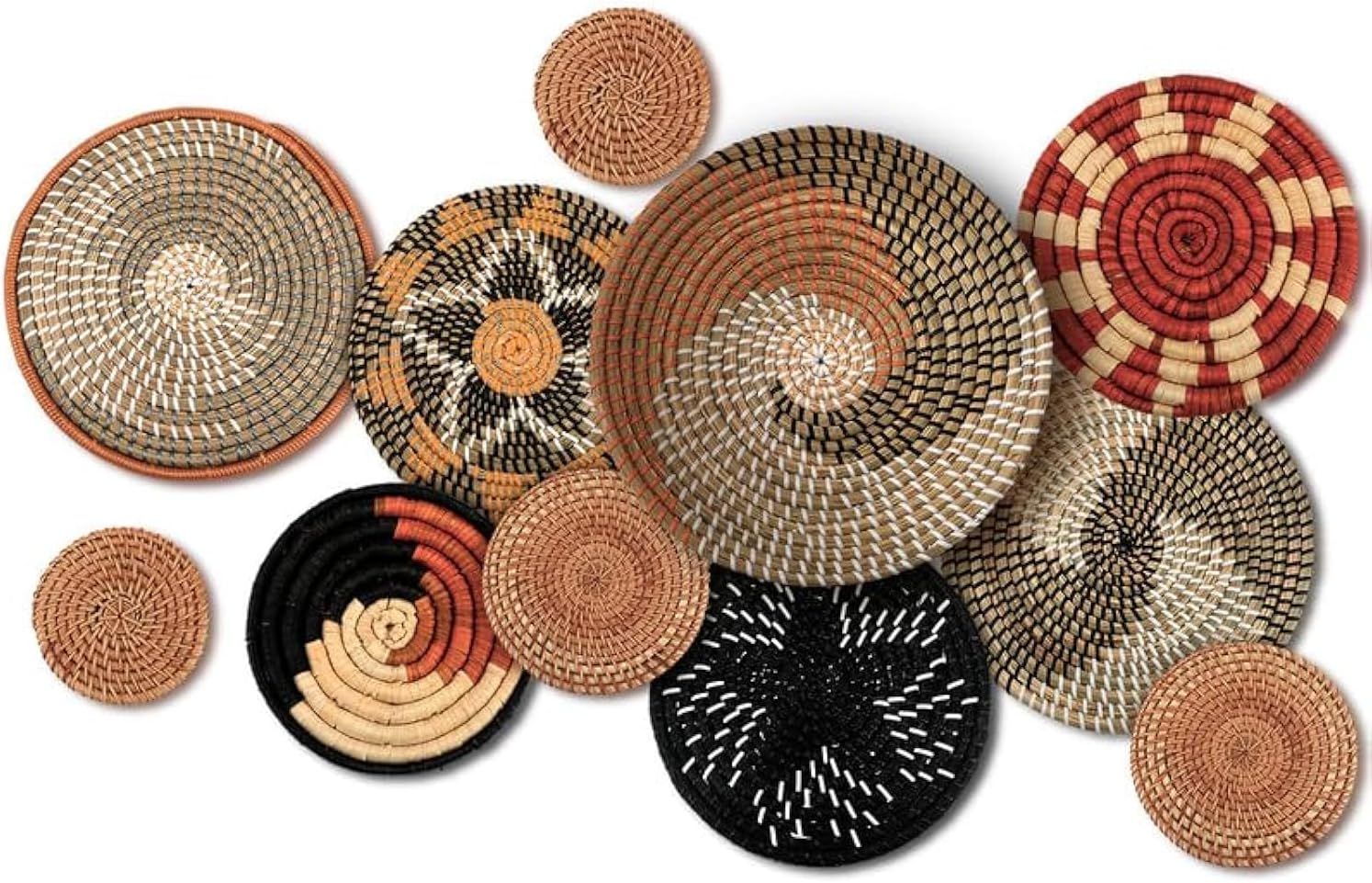
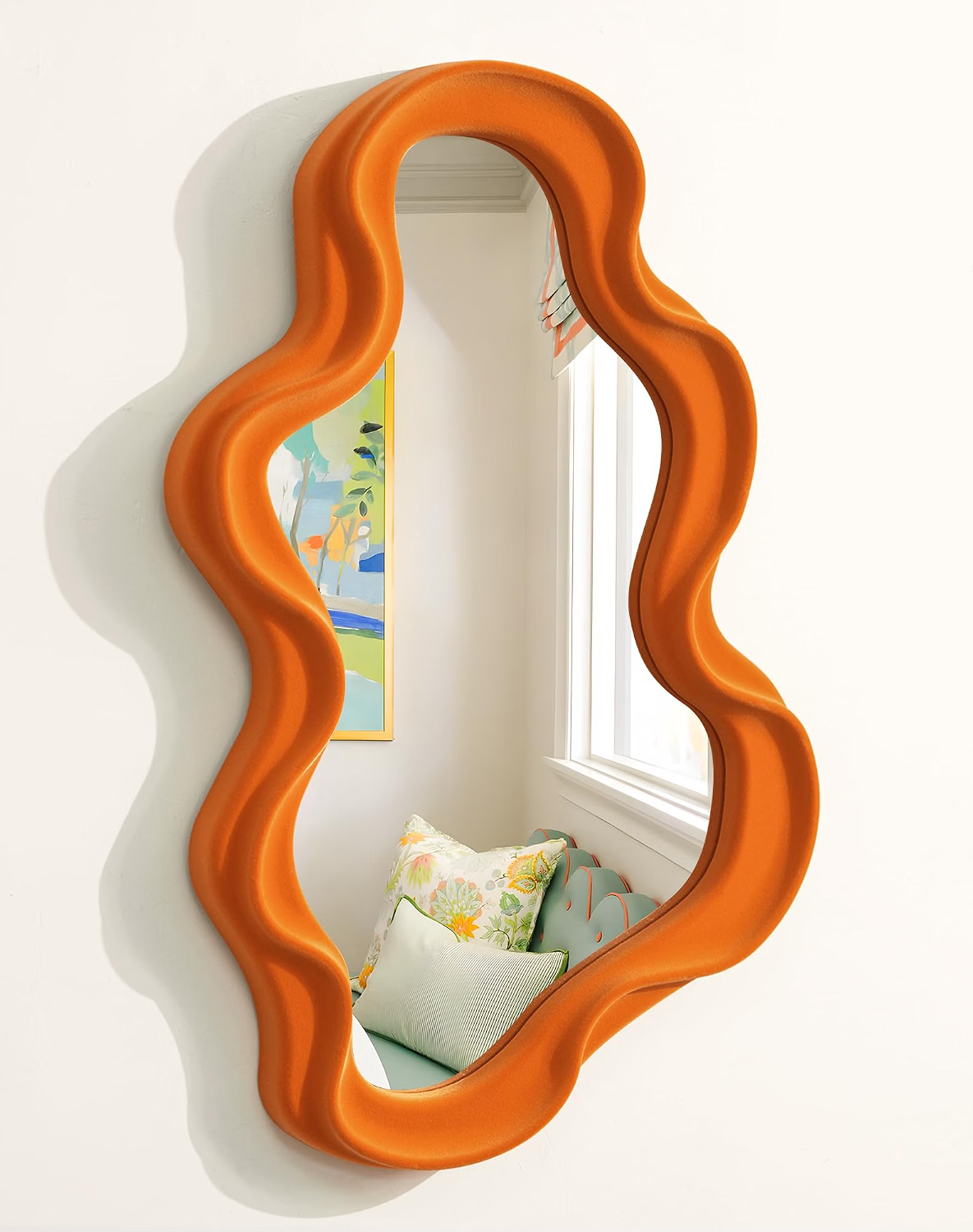
A beautifully decorated space needs more than a pleasing colour palette and attractive furniture. It needs depth, contrast, rhythm and just enough variation to keep the eye interested.
Here’s why some rooms feel flat, and the subtle changes that can make them feel considerably more interesting.
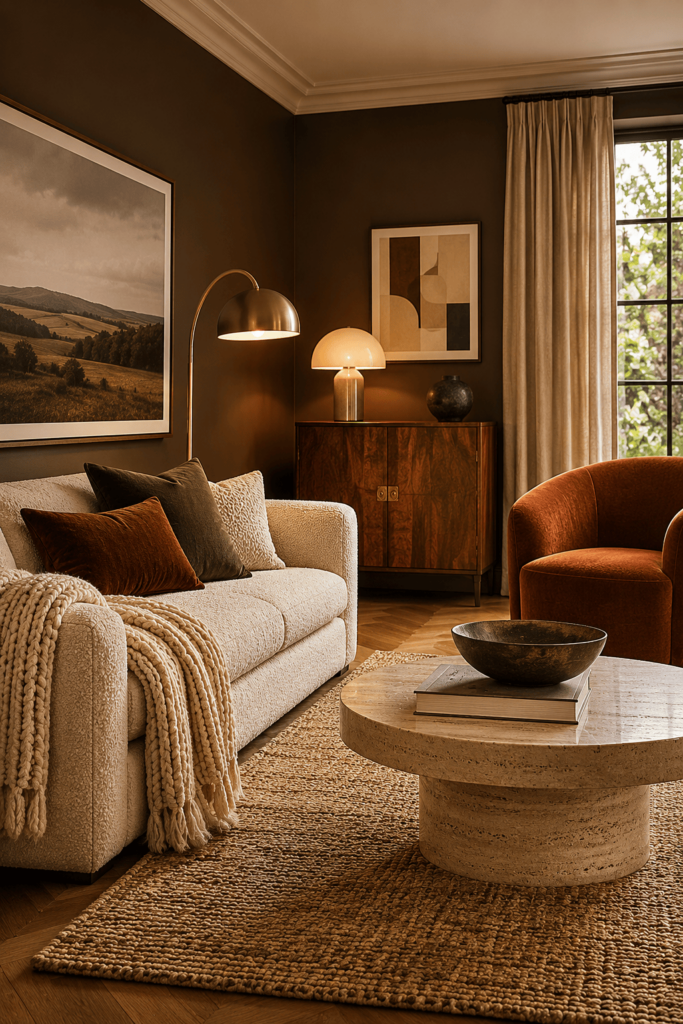
1. Everything Is Too Similar in Tone
One of the easiest ways to create a calm, cohesive interior is to work within a limited colour palette.
But when the walls, sofa, curtains, rug and larger furniture pieces all sit within a very similar tonal range, the room can begin to lose definition.
This is particularly noticeable in neutral interiors, where beige, cream, taupe and pale grey can blend together without creating much visual distinction.
There’s nothing inherently wrong with decorating in a single colour family. Some of the most sophisticated interiors are almost entirely monochromatic.
The difference lies in how those colours are combined.
The Design Fix
Introduce greater tonal variation rather than immediately adding more colours.
A room decorated in warm neutrals might benefit from a deep walnut side table, a darker upholstered chair or a richly toned piece of artwork.
These elements create contrast and help define the shapes of the furniture against their surroundings.
You don’t necessarily need black accents or a dramatic feature wall.
Sometimes, moving from pale beige to a deeper tobacco brown is enough to give a room greater depth.
The aim is to establish a relationship between light, medium and dark tones so that everything doesn’t merge into one continuous colour.
A cohesive room doesn’t need every element to be the same shade. It needs the different shades to work together.
2. There’s Not Enough Variety in Texture
Colour often receives the most attention when decorating, but texture can be just as important.
Imagine a living room with a smooth painted wall, a tightly upholstered sofa, plain curtains and a flat-weave rug.
Even if the colours are beautifully coordinated, the surfaces may all have a similar visual quality.
Without variation in texture, there’s little to catch the light or create a sense of richness.
The Design Fix
Look for opportunities to introduce contrasting materials.
A smooth leather chair beside a textured woven sofa can create an interesting relationship between surfaces.
Natural timber, stone, wool, linen, velvet and ceramics each reflect light differently, contributing to a more layered interior.
Consider the contrast between a polished marble table and a softly textured rug, or a richly grained wooden cabinet against a simple plaster wall.
The materials don’t need to compete for attention.
In fact, the most convincing combinations often involve one or two strongly textured elements balanced by quieter surfaces.
Be selective. Adding six different cushions and three throws isn’t necessarily the answer.
It’s the quality and contrast of the materials that matter, rather than the number of accessories.
3. Your Lighting Is Making Everything Look One-Dimensional
A room can be beautifully furnished and still feel uninviting if the lighting isn’t working.
This is particularly common where a single ceiling light provides most of the illumination.
Overhead lighting can be useful, but relying on it alone often creates an evenly lit space with little atmosphere.
There are fewer areas of gentle shadow, fewer points of visual interest and less distinction between different parts of the room.
The Design Fix
Think about lighting in layers.
Start with the general illumination needed to use the room comfortably, then introduce additional sources to create atmosphere and highlight particular features.
A table lamp beside a sofa, a directional light illuminating artwork or a floor lamp near an occasional chair can each contribute something different.
The important thing is to vary both the position and purpose of the light sources.
Lower-level lighting often makes a living room feel more intimate because it introduces pools of light rather than illuminating every surface equally.
Where possible, use dimmers to adjust the atmosphere throughout the day.
A room that feels rather ordinary under bright overhead lighting can become dramatically more inviting with a considered combination of softer light sources.
4. Everything Looks Too Perfectly Matched
Matching furniture can make decorating decisions easier.
A coordinated sofa and armchair, matching side tables and identical lamps create an immediate sense of order.
But when every element belongs to the same collection or follows exactly the same design language, the room can feel more like a showroom than a home.
The problem isn’t matching itself. Symmetry and repetition can be extremely elegant.
It’s the absence of anything that introduces contrast or individuality.
The Design Fix
Try combining pieces with different characters.
A contemporary sofa might look more interesting alongside a vintage wooden side table than with an identical modern companion.
A traditional armchair can introduce warmth to an otherwise contemporary interior, while a sculptural lamp might bring a welcome sense of contrast to a room filled with classical furniture.
These combinations work best when there’s some connection between the pieces.
That might be a shared colour, complementary proportions or a similar quality of material.
You don’t need to embrace a fully eclectic decorating style.
Sometimes, replacing just one matching piece with something unexpected is enough to make the room feel more personal.
The most interesting interiors often look collected over time rather than purchased all at once.
5. There’s No Clear Visual Hierarchy
A room can contain several beautiful pieces and still feel visually unremarkable.
This often happens when everything has roughly the same level of emphasis.
The sofa, artwork, rug, lighting and decorative accessories all contribute equally, but nothing establishes a clear sense of direction.
As a result, the eye moves around the room without finding a natural place to settle.
The Design Fix
Decide what should have the strongest presence in the space.
It might be a beautifully shaped sofa, an architectural fireplace, a striking piece of artwork or a particularly interesting material.
Allow that element to become the visual anchor.
The surrounding furniture and accessories can then support it through more restrained colours, quieter forms or complementary textures.
This doesn’t mean every room needs an extravagant statement piece.
A simple, generously proportioned sofa against a richly coloured wall can create a compelling focal point without introducing anything particularly decorative.
The important thing is that the room has a sense of visual order.
When every element demands attention, none of them feels especially significant.
6. The Room Lacks Variation in Shape
Take a moment to look at the outlines of the furniture in your room.
If the sofa, coffee table, rug, sideboard and artwork are all rectangular, you may be looking at another reason the space feels flat.
Straight lines and regular shapes can create a beautifully ordered interior, but too much repetition can make the composition feel predictable.
The room begins to lack movement.
The Design Fix
Introduce some variation in form.
A circular side table can soften the lines of a rectangular sofa.
A curved armchair can create a more relaxed relationship with a structured coffee table, while an irregularly shaped ceramic vessel or sculptural light fitting can provide a quieter point of interest.
Architectural details can also contribute.
Arched openings, curved walls and decorative mouldings naturally introduce variation, although these aren’t necessary to achieve the effect.
Even a single rounded piece of furniture can make a noticeable difference.
The goal is to introduce a little visual movement without sacrificing the overall coherence of the scheme.
7. Your Artwork Isn’t Contributing Enough
Artwork can have a significant influence on how a room feels, yet it’s often treated as a finishing detail.
A small print positioned above a large sofa, for example, may look disconnected from the furniture beneath it.
Equally, artwork chosen purely because it matches the existing cushions or wall colour can disappear into the scheme.
The room might look coordinated, but it misses an opportunity to introduce something more distinctive.
The Design Fix
Choose artwork for its composition, scale and emotional character, not simply its colour palette.
A large landscape photograph might bring a sense of calm and depth to a contemporary living room.
A vintage oil painting can introduce history and richness, while a graphic print may provide welcome structure in a softer interior.
Consider the relationship between the artwork and the furniture beneath it.
A substantial sofa often benefits from artwork that has sufficient visual presence to hold the wall.
And don’t feel obliged to fill every available surface.
Sometimes, one carefully selected piece is far more effective than a collection of decorative prints chosen simply to occupy the space.
8. There’s Nothing That Feels Particularly Personal
One of the reasons professionally styled interiors can sometimes feel unconvincing is that they lack evidence of the people who live there.
The furniture is immaculate, the accessories are perfectly positioned and every colour has been carefully coordinated.
But there’s little sense of personality.
A beautiful home doesn’t need to display every possession, yet spaces that feel genuinely memorable usually contain something individual.
The Design Fix
Introduce pieces that have meaning or reflect your interests.
A collection of books, an inherited piece of furniture, a photograph you’ve taken or an object discovered while travelling can add character in a way that generic accessories rarely achieve.
The important thing is not to turn every surface into a display.
Instead, allow a few carefully chosen objects to become part of the room’s visual story.
A vintage cabinet might contrast beautifully with contemporary furniture, while a favourite piece of pottery can introduce a subtle handmade quality.
These elements don’t have to match everything around them.
Sometimes, it’s precisely their individuality that makes the room more interesting.
9. You’ve Decorated Every Surface
It might seem contradictory, but a room can feel flat because there’s simply too much decoration.
When every table is styled, every wall contains artwork and every chair is covered in cushions, the room can lose its sense of contrast.
Nothing has space to stand out.
The result can feel visually busy without being particularly interesting.
The Design Fix
Edit the room rather than adding to it.
Remove a few decorative objects and look at the composition again.
Allow the shape of a beautiful coffee table to remain visible. Give an interesting lamp room to stand on its own, or leave part of a wall clear so that nearby artwork has greater presence.
This isn’t necessarily an argument for minimalism.
Even richly layered, maximalist interiors benefit from a sense of rhythm, with areas of visual intensity balanced by quieter moments.
A considered pause can be just as important as an interesting object.
10. You’re Missing the Final Layer of Contrast
Sometimes, a room has almost everything it needs.
The furniture works, the colours are cohesive, the lighting is comfortable and the materials have been chosen thoughtfully.
Yet the space still feels a little too safe.
Often, what’s missing is one element that introduces a different character.
The Design Fix
Look for a contrast the room doesn’t already have.
If the interior is very soft and organic, a sharply defined modern light fitting might provide an interesting counterpoint.
If everything feels contemporary, a vintage wooden piece could introduce warmth and history.
A pale, restrained room might benefit from one deeper colour, while an interior filled with clean lines could be softened by a more irregular form.
The change doesn’t need to be dramatic or expensive.
In fact, subtle contrasts are often the most successful because they complement the existing design rather than overwhelming it.
The purpose isn’t to introduce something unexpected for its own sake.
It’s to give the room a little more complexity and individuality.
Before You Redecorate, Try This
If your room feels flat, resist the temptation to immediately buy new furniture or change the wall colour.
Start by taking a photograph of the room from its main entrance.
Look at the image in black and white. Without colour to distract you, it’s often easier to notice whether the space has enough tonal contrast.
Then consider the textures, shapes and lighting.
Are most surfaces similar? Is all the furniture rectangular? Does the room depend on a single overhead light? Is there a clear focal point?
You may find that introducing one darker furniture piece, changing the position of a lamp or removing a few unnecessary accessories creates a surprisingly significant improvement.
The most successful changes are often the ones that make everything you already own look better.
The Final Word
A room doesn’t feel flat because it lacks expensive furniture, fashionable accessories or an elaborate colour scheme.
More often, it lacks the subtle relationships that make interiors visually interesting.
Contrast creates definition. Texture introduces richness. Lighting adds atmosphere, while carefully chosen furniture and artwork bring individuality.
And perhaps most importantly, a beautifully decorated room needs moments of difference as well as harmony.
Not everything should match. Not every surface needs styling. And not every decorating decision should be made simply because it’s safe.
Sometimes, the difference between a pleasant room and a genuinely memorable one is a single unexpected detail.
The best interiors aren’t necessarily the most perfectly coordinated.
They’re the ones that have something interesting to say.
Enjoying Houszed?
Love our interiors and decorating inspiration? Help us keep sharing fresh ideas by buying us a coffee.
☕ Support HouszedCompletely optional. Always appreciated.
