The Pacha Lounge Chair: Pierre Paulin’s Beautiful Rebellion

Designed in 1975, Pierre Paulin’s sculptural lounge chair challenged the conventions of modern furniture. Five decades later, its distinctive silhouette feels remarkably relevant.
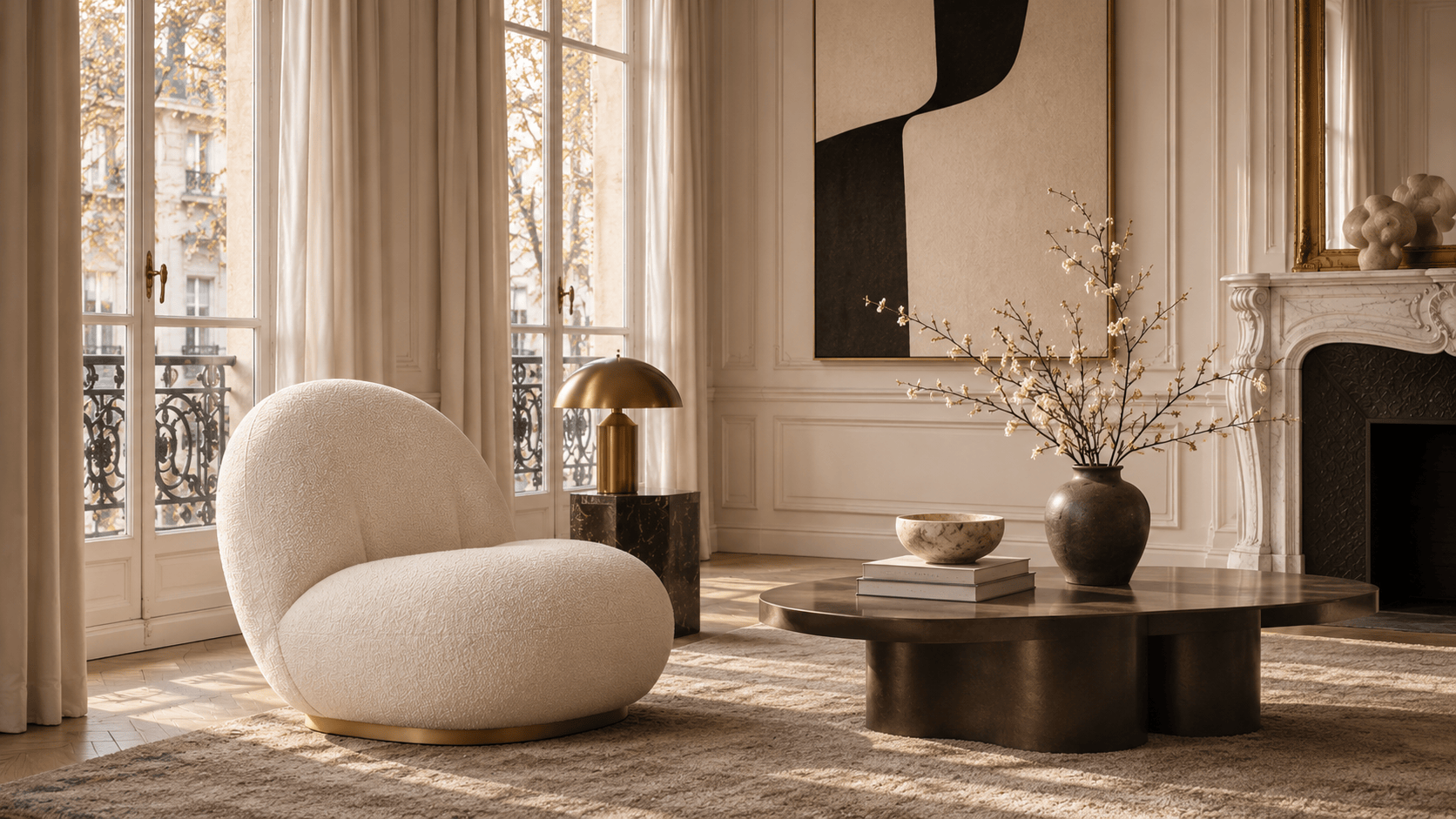
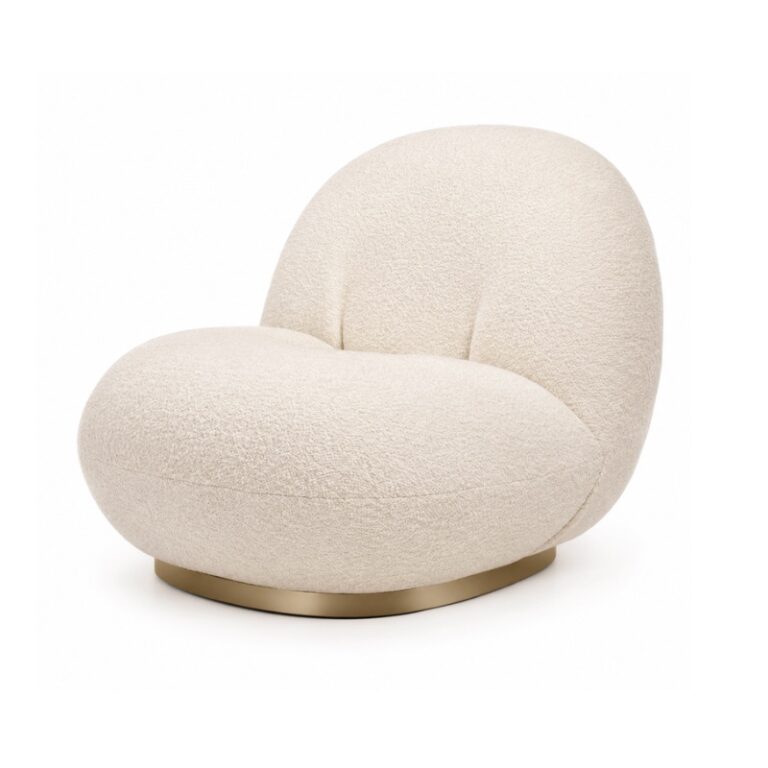
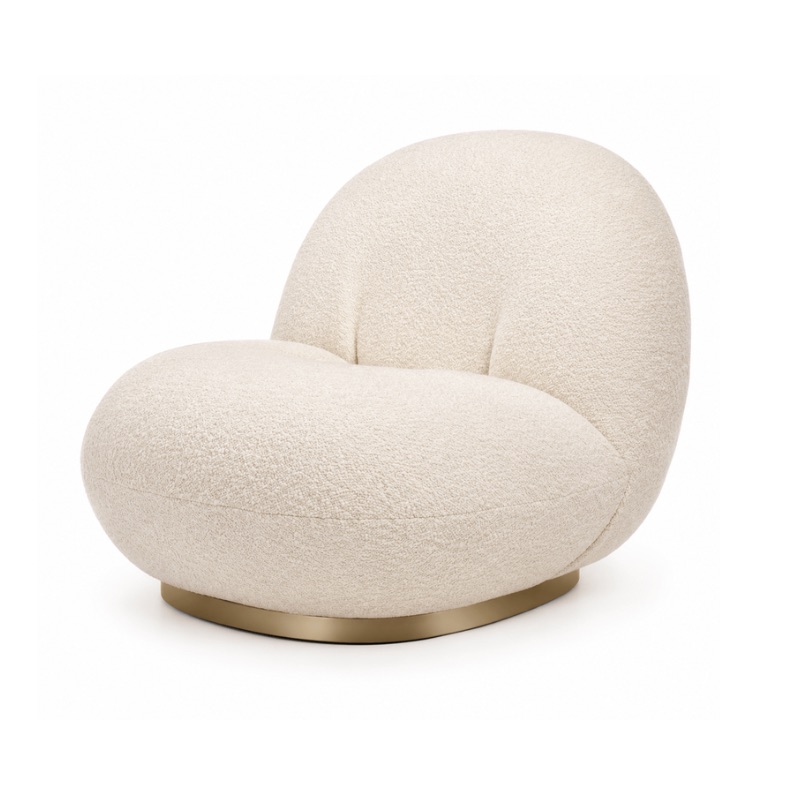
There is something wonderfully irreverent about the Pacha Lounge Chair. With its generous curves, almost exaggerated proportions and apparent absence of legs, it looks less like a conventional piece of furniture and more like a sculpture that happens to offer somewhere to sit.
Designed by Pierre Paulin in 1975 and produced today by Danish design brand GUBI, the Pacha captures a moment when furniture began to loosen its collar.
A different way to sit.
Paulin belonged to a generation of designers questioning the formal conventions of domestic life. His furniture encouraged a more relaxed relationship with our surroundings, bringing seating closer to the ground and allowing softer, more expressive forms to enter the home.
The Pacha is one of the most delightful expressions of that philosophy.
Where traditional seating relies on a visible supporting structure, Paulin allowed the upholstered volumes themselves to define the chair. The result is a piece that appears almost to float above the floor.
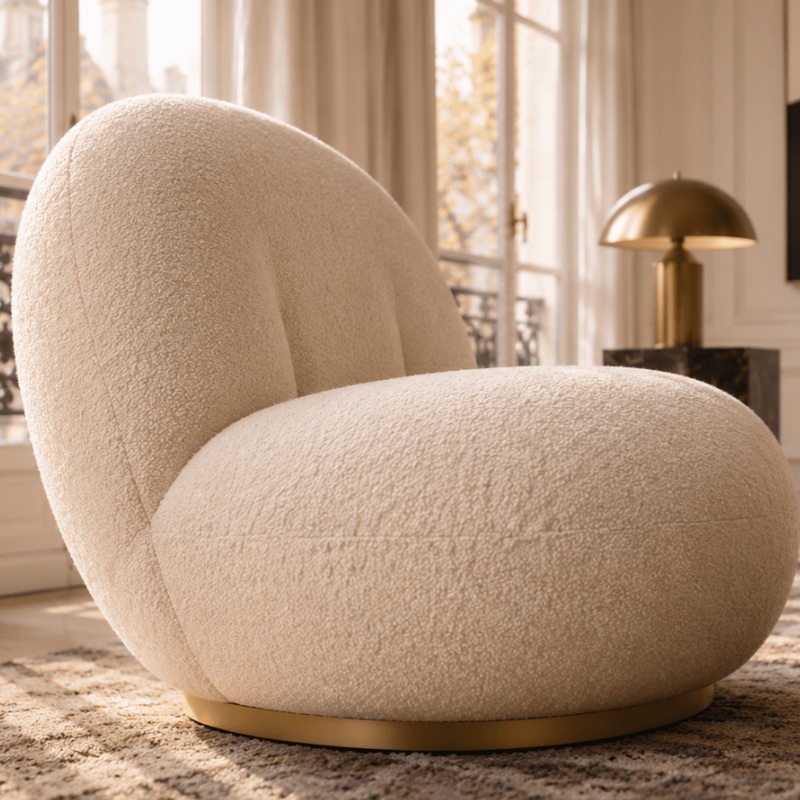
The beauty is in the details.
The simplicity of the Pacha is deceptive. Its rounded backrest and generous seat are brought together by carefully positioned seams, giving definition to a silhouette that might otherwise appear amorphous.
GUBI offers the chair in a range of upholstery options, including Dedar’s Karakorum fabric. Its tactile surface complements the generous upholstered forms, introducing another dimension to Paulin’s sculptural design.
The discreet base, available in fixed or swivel configurations, preserves the low proportions that make the chair so distinctive.
Playful without being frivolous, substantial without appearing heavy.
An object with presence.
The Pacha’s appeal lies partly in its ability to inhabit very different interiors.
A Parisian apartment provides a particularly beautiful setting for a chair of this character. Against ornate plasterwork, tall French windows and a traditional marble fireplace, its rounded silhouette offers a welcome contrast to the formality of classical architecture.
In a contemporary apartment, those same curves can soften the harder lines of stone, glass and timber. Upholstered in ivory, the chair becomes an exercise in texture and restraint; in a richer fabric, it takes on an altogether more expressive personality.
It is the kind of chair that needs relatively little around it. A sculptural coffee table, thoughtfully chosen artwork and understated lighting allow its individuality to emerge.
The Pacha Lounge Chair.
An enduring piece of twentieth-century furniture design, brought into contemporary production by GUBI.
Discover the Pacha collection and explore the available upholstery options, finishes and configurations directly with the design house.
Discover at GUBI →Refer to GUBI for exact product materials, dimensions and finishes.
- Designer
- Pierre Paulin
- Design Brand
- GUBI
- Originally Designed
- 1975
- Design Movement
- Organic Modernism
- Upholstery Option
- Karakorum by Dedar, 001
- Base Finish Option
- Pearl Gold
- Base Options
- Fixed or swivel
Why we love it.
Many pieces of furniture associated with the 1970s remain unmistakably tied to their era. The Pacha manages to retain the spirit of its time without feeling dependent on nostalgia.
There is a confidence in its simplicity and a sense of humour in its proportions. It reminds us that serious design need not take itself too seriously.
Some five decades after Paulin first conceived it, the Pacha remains a compelling example of furniture designed around the human experience rather than convention.
Product information: GUBI. Interior imagery is illustrative.

BEHIND THE STORY
Natalie Jones
Natalie Jones explores the creative side of interior design, with a particular interest in colour, texture and the details that give a room its personality. Her writing celebrates thoughtful decorating, individual style and the pleasure of creating a home that feels entirely your own.